


Your dryer is one of the most useful appliances in your home, quietly handling load after load of laundry. It saves time, keeps your clothes soft, and makes laundry day much easier. But in order to stay efficient and last longer, it needs regular maintenance. The one part that often gets overlooked is the dryer vent.
Inside the vent, lint, dust, and debris can build up, slowly blocking airflow. At first, you might not even notice. Then, one day, your dryer starts taking forever to dry clothes, feels hotter than usual, or even gives off a slight burning smell. These are all signs that your vent is clogged and needs a good dryer vent cleaning. And here’s the thing—ignoring it doesn’t just affect performance; it can also be a safety hazard.
Luckily, you don’t always need a professional to take care of it. If you’re handy and have the right tools, you can clean your dryer vent yourself. Many homeowners do it every few months and then schedule a professional cleaning once a year for a deeper, more thorough job. If you are thinking about the price, an average dryer vent cleaning cost is around $100 – $200.
In this guide, we’ll walk you through the process step by step and show you how, with a little effort, you can improve your dryer’s performance. Let’s get started!
Prepare Your Tools for Cleaning & Safety

Before you start, you need to get the dryer vent cleaning tools. You’ll need:
- A vacuum with a hose attachment
- A dryer vent cleaning kit
- A screwdriver
- A lint brush for the trap area
- A mask and gloves for dust protection
Safety first—dryer vents can trap pet hair and dust. Even mold can accumulate inside, so wearing a mask and gloves is a good idea. Also, make sure you have enough space to work. Move any nearby objects and pull the dryer slightly away from the wall for better access.
Once you’re set, it’s time to turn off the power and get to work.
Cut the Power Off and Unplug the Dryer

Always turn off the power before cleaning your dryer vent. Unplug your electric dryer from the outlet or shut off the gas supply valve for gas dryers. For extra safety, switch off the power at the circuit breaker. This ensures you can work on the dryer without any risk of electrical hazards.
Electric dryers pull a significant amount of power, and working around them while they’re still plugged in can be risky. A sudden short circuit or accidental contact with wiring could lead to shocks or damage to the machine. Taking a few seconds to cut the power ensures a safer cleaning process and protects both you and your dryer.
Also, you should gently pull the dryer away from the wall. Be careful—dryer hoses and gas lines can be fragile. Once you have enough room to work, you’re ready to detach the vent.
Detach & Disassemble if Needed
Check out the vent hose at the back of the dryer. It’s usually secured with a clamp or screws, which you can loosen with a screwdriver or your hands. Carefully remove the hose and inspect the inside—you might be surprised by how much lint has built up!
If your dryer vent system is longer, you may need to separate sections to clean it thoroughly. Some vents lead outside through walls or ceilings, so be prepared to check the exit point as well. This is where a flexible vent cleaning brush comes in handy.
While separating, check the condition of the vent hose. If it’s crushed, torn, or excessively dirty, it might be time to replace it. Flexible plastic or foil ducts, in particular, can be fire hazards since they trap lint more easily. Changing it for a metal vent is the best choice.
Clean the Exterior
It’s time for cleaning! Start with the outside vent cover. This is where air exits your home. Over time, lint and dust can block this opening, reducing airflow. Remove any visible debris and use a vacuum or brush to clear out trapped lint. Sometimes, lint gets trapped in the small crevices around the connection point, so be thorough.
If your vent has a flap, check that it moves freely. A stuck flap can trap moisture inside, leading to mold growth. Keeping this point clear ensures proper ventilation and improves overall dryer efficiency. If the exterior vent is positioned high up on a wall or roof, you may need a ladder to reach it. Be careful when working at heights, and think about calling someone to assist you for safety.
Also, check the surrounding area. Shrubs, leaves, or outdoor furniture can sometimes block airflow. Keeping the area clear ensures your dryer functions properly, preventing overheating and improving efficiency. Once the vent cover is clean, your dryer can properly release hot air and moisture, making each drying cycle more effective.
Clean the Interior
Now for the main part—cleaning inside the vent hose and ducts. Use a dryer vent cleaning brush to dislodge stubborn lint. If you have a vent cleaning kit, attach the flexible rods to extend your reach. Move the brush or vacuum several times to remove as much debris as possible.
Lint can also build up inside the dryer’s lint trap housing, even if you clean the filter regularly. A small brush or vacuum attachment will help remove hidden debris from this area. You may also find clumps of dust and pet hair sticking to the vent walls, which can trap moisture and create blockages over time.
If your vent extends far into the wall or ceiling, be patient and work section by section. You may need to access the vent from both ends, inside and outside, to ensure a thorough cleaning. Once you’ve removed the visible lint, run the vacuum one more time to catch any remaining fine dust. A deep clean like this will ensure the best results and a truly clean area.
Feel like you could use an expert’s help? No worries, we’ve got you! The wide list of home services ads on Locanto will ensure that you get the right assistance for cleaning a dryer vent right from your neighbourhood.
Reassemble & Reconnect the Power
Once everything is clean, it’s time to put everything back together. Reattach the vent hose securely using the clamp or screws. If you disconnected any sections of the vent, reconnect them properly before pushing the dryer back into place.
For gas dryers, turn the gas back on and check for any leaks by sniffing around the connection. If you notice anything unusual, call a professional before using the dryer. Finally, plug the dryer back in and get ready to test its performance.
Test That Everything Works Properly
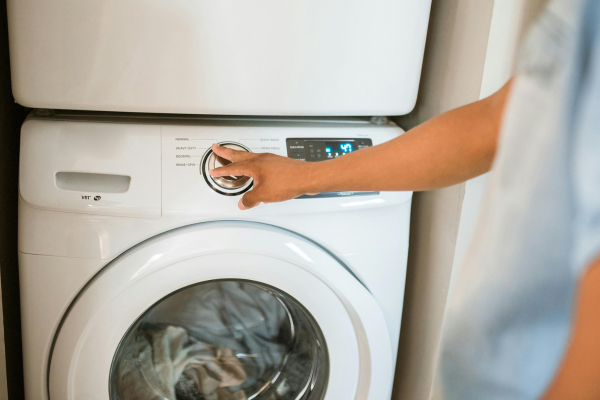
Start the dryer on a short cycle with no clothes inside. Try to hear if there are any unusual noises and check the airflow at the exterior vent. You should feel a strong, steady stream of warm air. If the vent flap moves freely and airflow is strong, you’ve done the job right!
If your dryer still takes too long to dry clothes, there may be deeper blockages or damage in the vent system that require a professional cleaning. But in most cases, a good DIY cleaning will make a noticeable difference.
Mistakes to Avoid When Cleaning A Dryer Vent
Even with the best intentions, some common mistakes can make vent cleaning less effective. Here’s what to watch out for:
- Skipping regular cleanings: Even if your dryer seems fine, lint builds up over time. Cleaning every 3 to 6 months prevents major issues.
- Neglecting the exterior vent: The outside vent is just as important as the interior. A blocked vent cover can trap heat and moisture inside.
- Not fully detaching the vent hose: Simply vacuuming the end of the hose isn’t enough. Deep cleaning is necessary.
- Not checking for damaged parts: Damaged ducts allow lint to go into walls or behind the dryer, creating a hidden fire hazard. If you notice any weak spots, always replace them.
A Breath of Fresh Air
Cleaning your dryer vent is way more than just keeping the machine working. It’s about safety, efficiency, and saving money. In the long term, it will help in preventing costly repairs, extending your dryer’s lifespan, and reducing fire risks in your home. Our brief step-by-step guide is there to show you exactly how to achieve that. And don’t miss Locanto for finding a professional to do a deeper clean at least once a year. Remember, a clean vent means better performance, fresher clothes, and peace of mind.


